

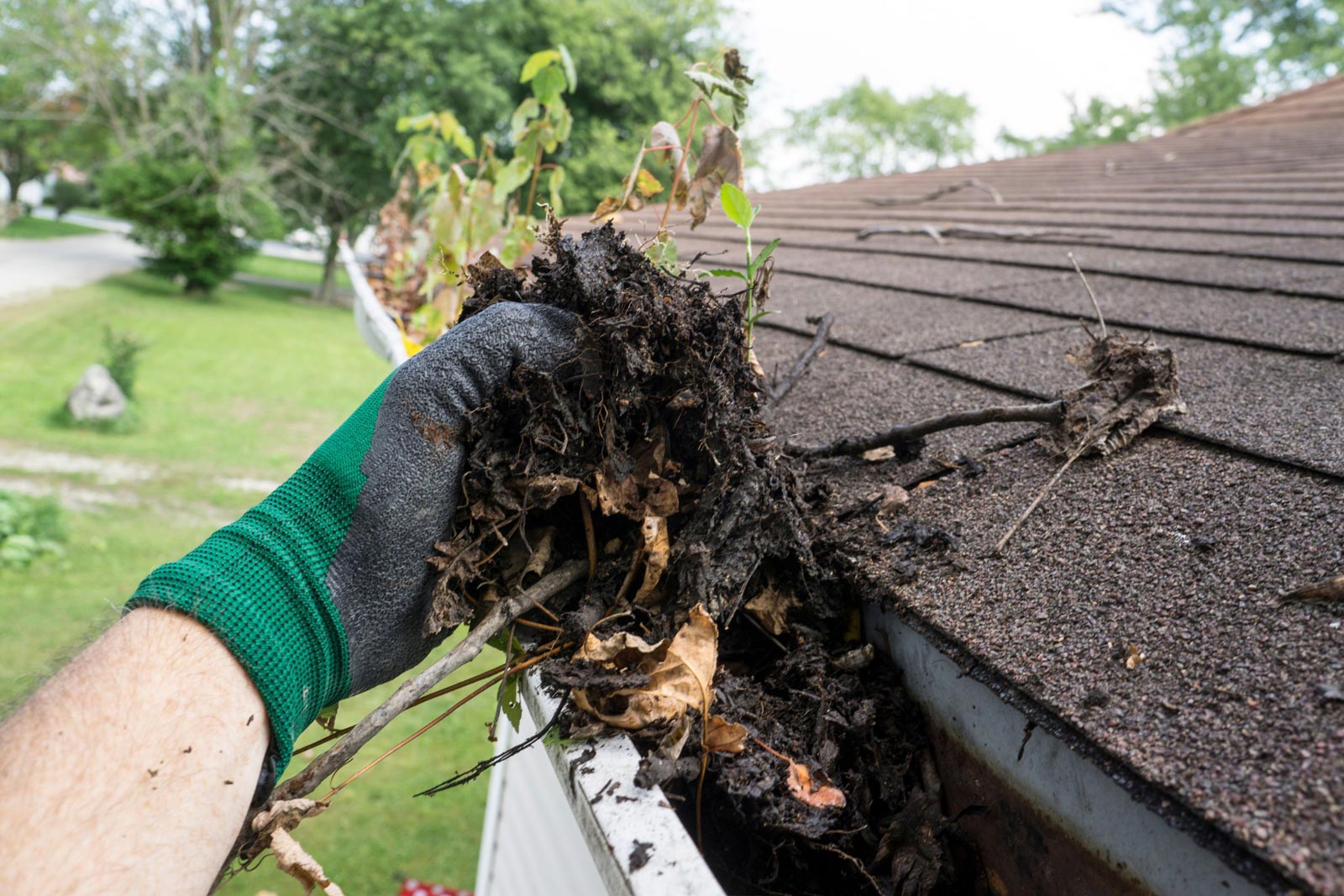
A blocked gutter doesn’t announce itself. It sits there quietly through the autumn, filling up with leaves and debris, and does nothing visibly wrong until the first proper downpour of winter arrives. That’s when the overflow starts, and that’s when the damage begins.
The gap between “the gutters need doing” and “there’s a damp patch on the wall” is usually just one heavy rainstorm. Booking a clean before winter sets in isn’t about ticking a maintenance box. It’s the difference between a routine job and dealing with the consequences of skipping it.
We clean gutters across Harrow, Pinner, Stanmore, and North West London every week, and autumn is consistently our busiest time of year for exactly this reason. Here’s why prevention wins, and what happens if you leave it too late.
Why Winter Is When Blocked Gutters Cause the Most Damage
Gutters can sit partially blocked for months without causing an obvious problem, as long as rainfall stays light and manageable. Winter changes that equation:
- Rainfall is heavier and more sustained, putting more volume through the system at once
- Cold temperatures mean any standing water in a blocked gutter can freeze, expanding and cracking the guttering or pulling brackets loose
- Saturated ground and already-wet walls have less capacity to handle additional overflow without it causing damp
- Shorter daylight hours mean overflow problems often go unnoticed for longer before anyone spots them
A gutter that copes fine with light autumn rain can overflow significantly during a heavy winter storm. That’s the point at which the consequences become visible — and expensive.
The Met Office publishes seasonal UK rainfall data showing how much heavier and more frequent rainfall becomes through the winter months compared to autumn.
What Happens When You Leave It Too Late
Once winter rain exposes a blocked gutter, here’s the chain of events that tends to follow:
- Water overflows over the side of the gutter instead of draining through the downpipe
- It runs down the external wall, soaking the brickwork and render
- Over repeated heavy rainfall, that moisture starts to show as damp patches, sometimes reaching internal walls
- Fascia boards directly below the gutter absorb the overflow and begin to soften and rot
- In freezing conditions, water trapped in the gutter can freeze and crack the guttering itself or pull brackets away from the fascia
We’ve covered the specific warning signs to look out for in our blog on signs your gutters are blocked, which is worth a read if you’re not sure whether yours need attention.
None of this happens overnight. It builds through a winter of repeated heavy rain, and by the time it’s obvious, you’re usually looking at repair costs — damp treatment, fascia replacement, sometimes more — that are considerably higher than the cost of the clean that would have prevented it.
The Case for Prevention
This is the straightforward part. Compare the two paths:
- Prevention: a routine gutter clean, booked in advance, at a predictable fixed cost
- Repair: damp treatment, possible fascia replacement, and in more serious cases, work to address water ingress — all unplanned, all more expensive, and all disruptive to sort out mid-winter
Prevention also means you’re dealing with a company on your own schedule, not scrambling to find someone available during the busiest, wettest part of the year when every gutter cleaner in North West London is booked solid.
For more detail on how often gutters should realistically be cleaned, see our guide on how often should gutters be cleaned
When to Book Before Winter
Late autumn — October into November — is the ideal window. Here’s why the timing matters:
- Most leaf fall is finished by this point, so you’re not cleaning gutters that will just refill within weeks
- It’s before the heaviest winter rainfall arrives, giving you a clear system going into the wettest months
- It’s before any risk of frost, which removes the freeze-crack risk entirely for the season
- Booking early means avoiding the scramble that happens once the first big storm hits and everyone realises at once that their gutters need doing
Our gutter cleaning service covers full clearance and downpipe flushing, with before and after photos so you have a clear record going into winter.
What a Pre-Winter Clean Should Include
Not every gutter clean is equal, and a rushed job before winter can leave you with a false sense of security. Make sure it includes:
- Full clearance of the gutter trough — not just the visibly blocked sections
- Downpipes flushed and confirmed flowing freely to the drain
- A quick check for any loose brackets or sagging sections that could fail under winter weight
- Before and after photos, so you have a record of the condition going into the season
A partial clean that misses the downpipes or skips the far end of a run is not much better than no clean at all when the heavy rain hits.
The Bottom Line
Gutter cleaning before winter isn’t about being overly cautious. It’s a straightforward way to avoid a problem that gets significantly more expensive and disruptive to deal with once the heavy rain has already exposed it.
Prevention costs a fixed, predictable amount and takes an hour or two. Repair costs considerably more, comes with no warning, and usually happens at the worst time of year to be dealing with it.
Elite Spotless Solutions covers Harrow, Pinner, Stanmore, Ruislip, Northwood, Watford, and across North West London. Call 07751 890709 for a free, no-obligation quote before the winter rain arrives.
Frequently asked questions
Winter brings heavier, more sustained rainfall than autumn, which exposes any existing blockages far more severely. A gutter that copes fine with light rain can overflow significantly during a winter storm. Cleaning before winter ensures the system is clear and ready to handle the heaviest rainfall of the year without causing damp or overflow damage.
Late autumn, typically October into November, is the ideal window. Most leaf fall is finished by this point, so you’re not cleaning gutters that will simply refill within weeks. It’s also before the heaviest winter rainfall arrives and before any risk of frost, which removes the freeze-crack risk for the season entirely.
Standing water trapped in a blocked gutter can freeze during cold winter weather. As water freezes it expands, which can crack the guttering material or put enough strain on the brackets to pull them away from the fascia board. This is one of the more serious risks of leaving gutters blocked going into a cold winter.
Significantly, yes. A routine gutter clean is a fixed, predictable cost. The consequences of a blocked gutter left through winter — damp treatment, fascia board replacement, and in more serious cases, work to address water ingress — are unplanned, considerably more expensive, and disruptive to arrange during the busiest, wettest part of the year.
The cost depends on the size of your property and the length of the guttering run. We provide a fixed quote before any work starts, with no call-out fee. Call 07751 890709 for a free, no-obligation quote based on your specific property in Harrow or the surrounding area.
Yes. A clear gutter trough with a blocked downpipe will still overflow, since the water has nowhere to drain. A proper pre-winter clean should always include flushing the downpipes and confirming water is flowing freely to the drain, not just clearing the visible gutter section.
For a standard semi-detached or terraced property, gutter cleaning typically takes between one and two hours. Larger properties, more complex rooflines, or gutters that haven’t been cleaned in a while may take longer. We give a realistic time estimate when we quote so you know what to expect on the day.
Yes. Autumn and early winter are our busiest period for exactly this reason. We cover Harrow, Pinner, Stanmore, Ruislip, Northwood, Watford, and the surrounding areas of North West London. Call 07751 890709 to book before the winter rush, and we’ll aim to get you booked in within a few days.