
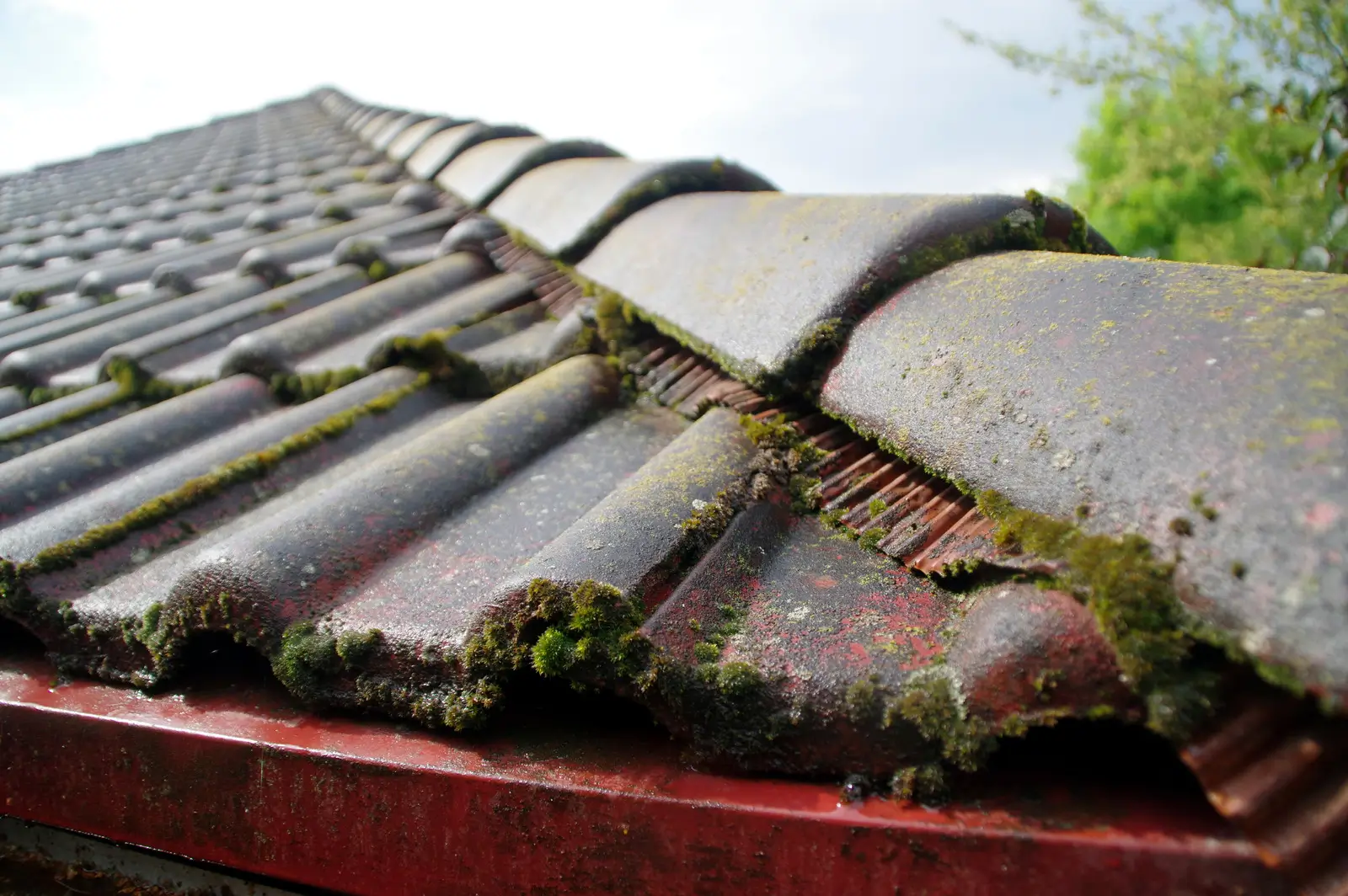
Moss on roof tiles is one of the most common issues we see on UK homes, particularly in areas with a lot of rainfall and tree coverage — which describes most of North West London pretty well. It’s not just a cosmetic problem. Left alone, moss causes real, cumulative damage to the tiles underneath it.
This guide covers what actually works to remove moss, what doesn’t, the safety risks of doing it yourself, and when it makes sense to call in a professional. We clean roofs across Harrow, Pinner, Stanmore, and North West London every week, so this is the honest version, not a sales pitch dressed up as advice.
Why Moss Grows on Roof Tiles in the First Place
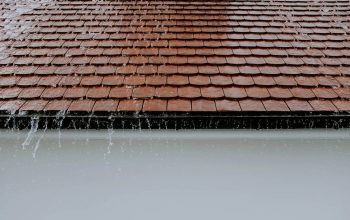
Moss needs three things to establish itself: moisture, shade, and a rough surface to grip onto. UK roofs tick all three boxes fairly easily:
- Consistent rainfall keeps tile surfaces damp for long periods
- North-facing roof slopes get less direct sun and stay damp longer
- Nearby trees create shade and drop organic debris that gives moss a foothold
- Older or weathered tiles have a more porous, textured surface that moss finds easier to grip
If your property has any combination of these — which a lot of homes in Harrow, Pinner, and Stanmore do — moss is more a question of when than if.
What Actually Removes Moss From Roof Tiles
Soft Wash With a Biocidal Solution — The Correct Method
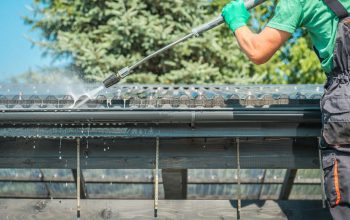
This is the method professionals use, and for good reason. Soft washing applies a biocidal cleaning solution to the roof at low pressure. The solution kills moss, algae, and lichen at the root rather than just knocking off what’s visible on the surface. Once it’s done its job, the moss is rinsed away with low-pressure water.
This method doesn’t put any mechanical stress on the tiles. No cracking, no stripped coatings, no disturbed mortar. It’s slower than pressure washing, but it’s the only method that reliably kills moss at the root rather than just removing the visible growth.
Manual Scraping — Only Removes What You Can See
Physically scraping moss off tiles removes the visible growth but leaves the root system intact in most cases. It also carries a real risk of dislodging or cracking tiles if done carelessly, and it doesn’t address the moisture retention issue that caused the moss in the first place. Moss removed this way tends to come back quickly.
High-Pressure Washing — Not Recommended
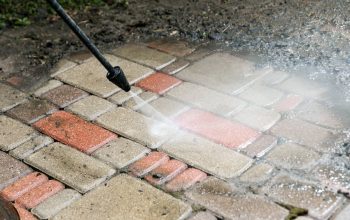
Pressure washing will remove moss, but it comes with a real risk of damage. It can crack tiles, strip protective coatings from concrete tiles, blast mortar out of ridge tile joints, and force water under the tile surface. Any company offering to pressure wash your roof should be treated with caution.
For more detail on why this matters, see our blog on does roof cleaning damage tiles.
Can You Remove Moss From a Roof Yourself?
Technically, yes. Whether you should is a different question. Here’s what to weigh up:
- Working at height on a roof is genuinely dangerous — falls from ladders and roofs are a leading cause of serious home DIY injuries
- Consumer-grade moss treatments are generally weaker than the professional biocidal solutions used commercially
- Getting even coverage across a whole roof surface without proper equipment is difficult
- Scraping or brushing moss off risks dislodging or cracking tiles, particularly on older roofs
- Without a professional-grade treatment, regrowth tends to happen faster
The Health and Safety Executive publishes guidance on the risks of working at height, which is worth reading before attempting any roof work yourself.
If your roof is a single storey with safe, stable access and the moss coverage is minimal, a very light manual approach with a soft brush from a secure position might be reasonable. Anything beyond that — a two storey property, significant moss coverage, or any doubt about safe access — is a job for a professional.
Preventing Moss From Coming Back
Removing moss without addressing regrowth means you’ll be back to square one within a year or two. Here’s what actually slows it down:
- A biocidal treatment applied after cleaning kills remaining spores, not just the visible moss
- Keeping nearby trees trimmed back reduces shade and organic debris landing on the roof
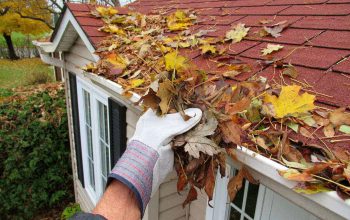
- Keeping gutters clear stops moss debris building up at the roof edge and spreading
- Zinc or copper strips fitted along the ridge can help slow regrowth on some roofs, though results vary
Of these, the biocidal treatment makes the biggest difference. A soft wash clean with treatment typically keeps a roof clear of moss for three to five years. Without it, moss can be visibly returning within months.
Our roof cleaning service includes biocidal treatment as standard on every job across Harrow and North West London.
When to Call a Professional
Get a professional in if any of the following apply:
- The roof has more than one storey or access isn’t straightforward
- Moss coverage is significant rather than a few small patches
- You’re not confident about working safely at height
- You want the job done properly with a treatment that actually lasts, not just a temporary fix
A professional soft wash clean typically costs less than most homeowners expect, particularly when weighed against the cost of tile damage from a DIY attempt gone wrong, or a fall from height.
The Bottom Line
Moss on roof tiles is a genuine problem, not just a cosmetic one. Soft washing with a biocidal treatment is the correct removal method — it kills moss at the root and the results last years, not months. Pressure washing and manual scraping both fall short, either by causing damage or by leaving the root system intact.
For most UK homeowners, particularly on anything beyond a single storey, this is a job worth handing to a professional. Elite Spotless Solutions covers Harrow, Pinner, Stanmore, Ruislip, Northwood, and across North West London. Soft wash only, biocidal treatment included, before and after photos on every job. Call 07751 890709 for a free, no-obligation quote.
Frequently asked questions
The most effective and safest method is a soft wash clean using a biocidal solution, which kills moss at the root rather than just removing what’s visible. This is applied at low pressure, so there’s no risk of cracking tiles or damaging mortar. Manual scraping removes visible growth but leaves roots intact, and high-pressure washing can damage the tiles themselves.
It depends on the roof and your confidence working at height. Single storey roofs with safe, stable access and minimal moss coverage might be manageable with light, careful work. Anything beyond that — two storeys, significant moss, or any doubt about access — carries real safety risk and is better handled by a professional with the right equipment.
Nothing removes moss permanently in the sense that it will never return, since the conditions that caused it (moisture, shade, organic debris) are still present. However, a professional biocidal treatment applied after cleaning kills the spores that cause regrowth and typically keeps a roof clear for three to five years, which is significantly longer than cleaning alone.
A biocidal cleaning solution applied via soft wash is the most effective and widely recommended treatment for UK roofs. It kills moss, algae, and lichen at the root and is applied at low pressure, avoiding any mechanical damage to the tiles. Professional-grade solutions are generally more effective than consumer products available for DIY use.
With a proper soft wash and biocidal treatment, most UK roofs stay clear of moss for three to five years. Roofs with significant nearby tree coverage or north-facing slopes that get less sun may need attention sooner. Without a biocidal treatment, regrowth can begin within a few months of removal.
Yes. Moss roots penetrate the tile surface over time, making tiles more porous and weakening their structure. Trapped moisture beneath moss causes freeze-thaw damage during colder months, which accelerates cracking. Heavy moss growth also adds weight to the roof and blocks gutters with debris as it washes down.
Consumer-grade moss treatments can have some effect but are generally weaker than the professional biocidal solutions used commercially. Getting even coverage across a whole roof without proper equipment is also difficult, which can lead to patchy results. For a thorough, longer-lasting result, professional treatment is usually more effective.
Working at height carries genuine risk. Falls from ladders and roofs are a leading cause of serious injury in DIY home projects. Beyond the fall risk, walking on a roof to scrape or brush moss can dislodge or crack tiles, particularly on older properties. Professional roof cleaners use appropriate access equipment and safety measures.
Yes. We carry out soft wash roof cleaning with biocidal treatment across Harrow, Pinner, Stanmore, Ruislip, Northwood, Watford, and the surrounding areas. Every job includes before and after photos and a check of ridge tiles and pointing while we’re up there. Call 07751 890709 for a free quote.