
Most homeowners planning a solar installation spend weeks researching panels, inverters, battery storage, and feed-in tariffs. The condition of the roof itself barely comes up — and most solar installers won’t raise it either. That’s a problem, because what’s living on your tiles before the panels go down directly affects how well those panels perform, how long they last, and in some cases, whether your warranty holds up.
Moss and lichen are common on residential roofs across North West London, particularly in Harrow, Pinner, and Stanmore where tree coverage creates the kind of shaded, damp conditions that growth thrives in. Left untreated, that growth traps moisture, degrades tile surfaces, and provides an uneven, compromised substrate for panel fixings to sit on. It’s not a cosmetic issue — it’s a structural one.
This article covers why roof cleaning before solar panel installation matters, what the risks are if you skip it, and how to approach the timing so your installation goes ahead on a clean, sound surface. We carry out roof cleaning across Harrow and North West London every week, and this question comes up regularly with customers preparing for solar.
What Installers Don’t Always Tell You
Solar Installers Are There to Fit Panels, Not Prepare Roofs
A solar installation company’s job is to survey your roof for structural suitability, install the mounting system, and connect the panels. Roof preparation — cleaning, treating, repointing — is not part of that scope. Some installers will flag obvious issues. Many won’t, particularly if the moss is moderate rather than severe. They have a job to do and a schedule to keep.
That means the responsibility for presenting a clean, sound roof sits with you as the homeowner. It’s the same principle as redecorating before you sell: the professionals coming in to do their specific job are not going to do the prep work for you.
What Happens When Panels Go on a Mossy Roof
Moss and lichen retain moisture against the tile surface beneath them. Over time, that moisture gets under the tiles and into the felt or battens. When mounting brackets and fixings are installed into a roof already compromised by moisture retention, you’re introducing metal fixings into a wet environment — and creating new channels for water ingress around the penetration points.
Beyond moisture, moss provides an uneven surface that can affect how cleanly mounting brackets sit. A bracket that isn’t sitting flush on a solid tile surface creates a minor but real stress point on the tile beneath it. On a roof that’s already been softened by moss root penetration, that’s a concern worth taking seriously.
The Energy Saving Trust provides guidance on solar panel readiness and roof suitability that’s worth reading before your survey. Their guidance makes clear that the roof must be in good condition before installation proceeds.
Does Moss Affect Solar Panel Performance?
Shading and Efficiency
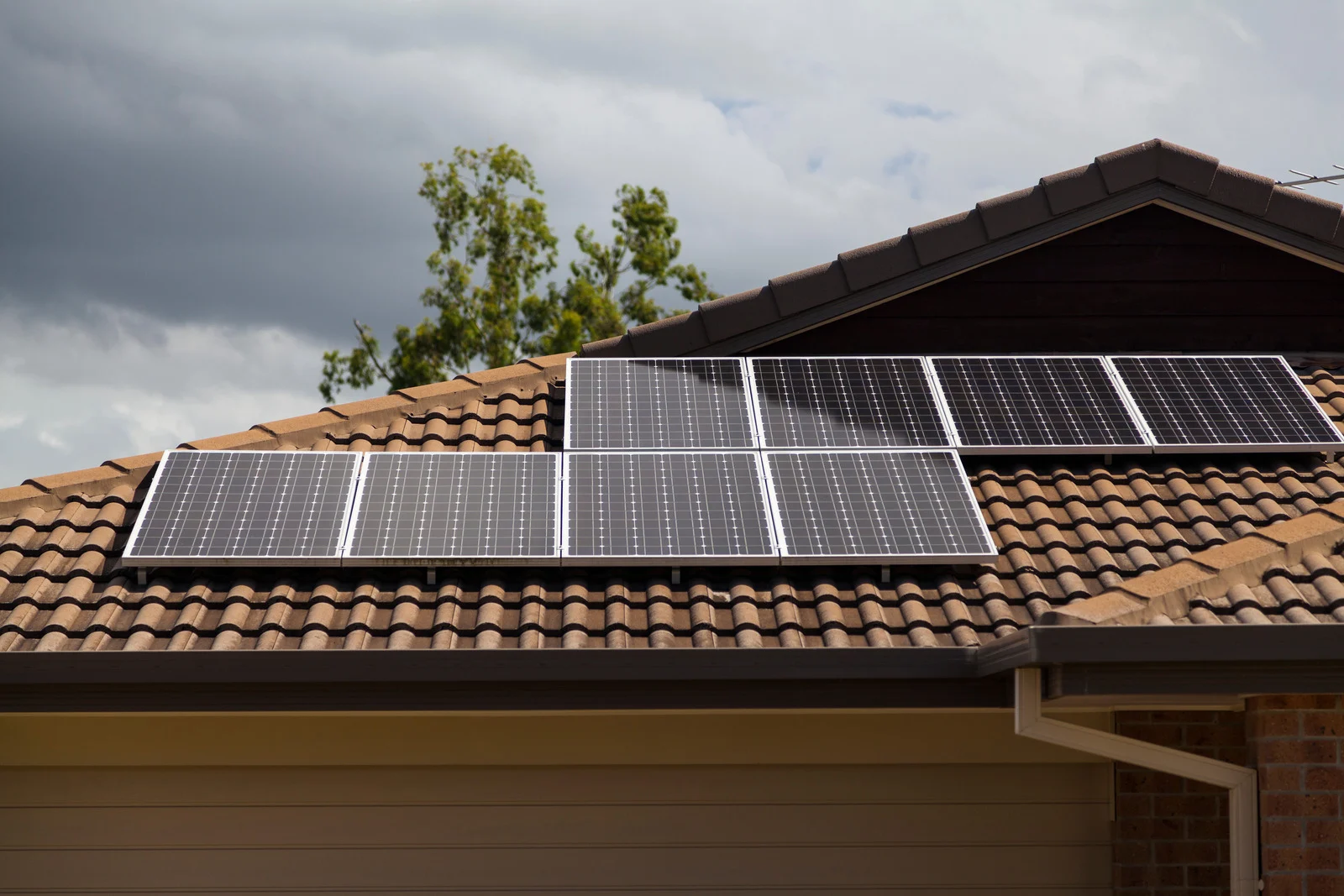
Solar panels are sensitive to shading. Even partial shading on one cell in a panel can reduce the output of the entire string, depending on how the system is wired. Moss creeping up from the edges of a panel — which happens when it’s present on the roof surface at installation — creates a gradual shading effect over time that reduces the system’s efficiency.
This is separate from the more obvious issue of moss growing on top of the panels themselves. Moss on the roof surface around the panels continues to spread. It doesn’t stop because panels are in the way. Over a two to three year period, growth migration under and around panel edges is a real and documented concern for solar installers.
Warranty Considerations
Solar panel warranties typically run for twenty to twenty-five years on performance and ten to twelve years on product defects. They assume the installation was carried out on a structurally sound, properly prepared roof. If water ingress or tile damage occurs and it can be traced back to pre-existing moss damage or compromised tile integrity, you may find the warranty harder to enforce than you expected.
The Microgeneration Certification Scheme (MCS), which governs solar installations in the UK, sets standards for installation quality that include roof condition requirements. Installers certified under MCS are required to assess roof suitability. A badly maintained roof can and does affect whether they proceed.
The Case for Cleaning First
A Clean Roof Is a Verifiable Starting Point
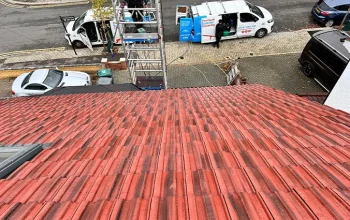
One of the underrated benefits of professional roof cleaning before solar installation is the photographic record it creates. A thorough soft wash clean generates before and after images of the entire roof surface. You have documented evidence of the roof’s condition immediately before the installation took place. If anything goes wrong in the years that follow, you have a clear baseline to refer back to.
We provide before and after photos as standard on every roof clean we carry out across Harrow and North West London. It takes minutes to send to your installer, your insurer, or to keep on file for the life of the solar system.
Soft Wash Is the Right Method — Not Pressure Washing
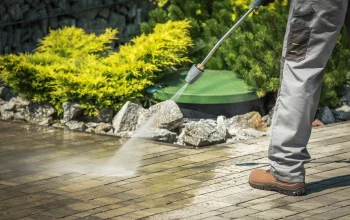
If you’re cleaning your roof before solar installation, the method matters. High-pressure washing loosens pointing, cracks tiles, and forces water under the surface. On a roof that’s about to have mounting brackets drilled into it, that’s the last thing you want. Soft wash roof cleaning uses low-pressure water and biocidal solution to remove moss and algae at the root, leaving the tile surface clean and intact.
Our roof cleaning service uses soft wash methods only. Every job includes a biocidal treatment that slows regrowth significantly, so the surface stays clean during your installation period and well into the lifespan of the panels.
Timing: When to Book Your Roof Clean
Ideally, book your roof clean four to six weeks before your solar installation date. This gives the biocidal treatment time to work fully, any residual debris to wash away with rainfall, and you time to review the condition of the roof before the installer arrives. If the clean reveals any tile damage or pointing issues, that window gives you time to have them addressed before the installation proceeds.
If you’re in the early stages of solar research and haven’t confirmed an installer yet, a roof clean now still makes sense. It gives you a clear picture of what you’re working with, and a freshly cleaned roof will present better during the installer’s initial survey.
We cover Harrow, Pinner, Stanmore, Watford, and the wider North West London area. Many of our customers also combine a roof clean with gutter cleaning in the same visit, which makes practical sense before an installation that will affect water drainage from the roof surface.
Solar Panel Cleaning After Installation
Once your panels are in place, keeping them clean becomes a separate but related task. Dust, bird droppings, pollen, and airborne debris accumulate on panel surfaces and reduce output over time. Most manufacturers recommend cleaning panels at least once or twice a year, and some warranties include maintenance requirements.
The Bottom Line
Roof cleaning before solar panels isn’t optional maintenance — it’s sensible preparation for a significant investment. Moss on your roof when the panels go down creates moisture risk, potential warranty complications, and a surface that will need addressing at some point anyway. Doing it before installation is cleaner, cheaper, and smarter than doing it after.
Elite Spotless Solutions carries out soft wash roof cleaning across Harrow, Pinner, Stanmore, Watford, and the surrounding areas of North West London. We’re fully insured, photograph every job before and after, and include biocidal treatment as standard. Call 07751 890709 for a free, no-obligation quote.
Frequently Asked Questions
Q1: Should I clean my roof before installing solar panels?
Yes. Moss and lichen on your roof create moisture retention issues that can compromise tile integrity and affect how mounting brackets sit during installation. Cleaning the roof before solar panels go on gives the installation a sound, clean substrate to work from. Most solar installers will not clean the roof for you — that preparation is the homeowner’s responsibility.
Q2: Does moss on a roof affect solar panel performance?
Yes, in two ways. Moss on the roof surface continues to spread after installation and can migrate under and around panel edges over time, creating partial shading that reduces panel efficiency. Moss also retains moisture against tiles, which can contribute to longer-term structural issues beneath the panels. A clean roof before installation removes this risk at the point it’s easiest to address.
Q3: Will solar installers clean my roof before fitting panels?
Most solar installers will not carry out roof cleaning as part of their service. Their scope covers the survey, mounting system, and panel installation. Some will flag significant moss growth as a concern, but many will proceed regardless of surface condition. Booking a professional roof clean separately before your installation date is the correct approach.
Q4: Can moss under solar panels void my warranty?
Solar panel warranties typically assume installation on a structurally sound, properly prepared roof. If water ingress or tile damage occurs and can be linked to pre-existing moss damage or compromised tile condition, warranty claims may be more difficult to enforce. While warranty terms vary by manufacturer, removing the risk by cleaning beforehand is the straightforward solution.
Q5: How long before solar installation should I clean my roof?
Four to six weeks before your installation date is ideal. This gives the biocidal treatment time to work fully and allows any residual moss debris to wash away with rainfall before the installers arrive. It also gives you time to identify and address any tile or pointing damage the clean may reveal before the installation proceeds.
Q6: What method should be used for roof cleaning before solar panels?
Soft washing is the correct method. High-pressure washing can crack tiles, loosen pointing, and force water into the roof structure — exactly the opposite of what you want before a solar installation. Soft wash uses low-pressure water combined with a biocidal solution that kills moss and algae at the root. The results last longer and leave the roof surface intact.
Q7: Does roof moss affect solar panel output in the UK?
Moss and algae growth on and around solar panels can reduce output by causing partial shading. In the UK, where roof moss is widespread, this is a practical rather than theoretical concern. Panels shaded even partially by moss encroachment produce less power than clean panels. Starting with a clean roof surface before installation reduces the rate at which this becomes an issue.
Q8: How much does roof cleaning cost before solar panel installation in North West London?
The cost depends on the size and pitch of your roof and the extent of moss or algae coverage. We provide a fixed quote before any work starts with no call-out fees. For properties in Harrow, Pinner, Stanmore, and across North West London, call 07751 890709 for a free, no-obligation quote. Most jobs in the area can be completed within a few days of booking.
Q9: Can solar panels be installed on a mossy roof?
Technically yes, but it is not advisable. Moss indicates moisture retention and possible tile surface degradation. Some MCS-certified installers will flag significant moss growth and require it to be addressed before proceeding. Even where installers do proceed, the ongoing presence of moss creates risks around panel performance, mounting integrity, and warranty enforceability.
Q10: Do I need to clean my roof if I'm only getting solar panels on part of it?
Yes, particularly the sections of roof where the panels will be installed. Moss on the tile surface immediately beneath and around the panels is the most direct concern. That said, moss on adjacent sections will continue to spread, so a full clean is better value and more effective than a partial one if the condition across the whole roof warrants it.
Q11: Do you offer solar panel cleaning after installation in Harrow?
Yes. We offer solar panel cleaning as part of our exterior property cleaning services across Harrow and North West London. Panels accumulate dust, bird droppings, pollen, and organic debris that reduce output over time. Regular cleaning maintains efficiency and is often recommended by manufacturers as part of their maintenance guidance.
Q12: What other roof preparation should I do before solar panel installation?
Beyond cleaning, it is worth checking the condition of your ridge tiles and pointing before the installation date. Loose or cracked ridge tiles and failed pointing are common on older properties in Harrow and should be addressed by a roofer before mounting brackets go in. We flag any such issues we find during our roof clean and photograph them so you have a clear record to share with your roofer.